Academic publishing stands at a critical crossroads. The rapid adoption of large language models (LLMs) like GPT-4 across the research ecosystem has opened Pandora's box. It has presented the academic community with massive tools offering unprecedented efficiency in drafting and literature review while ushering in the necessity of peer-review transformation worldwide.
Introduction to AI in Academia
The massive influx of synthetically generated papers has strained the traditional peer-review pipeline. Review boards are increasingly overwhelmed with mechanically sound but scientifically shallow submissions. Many journals report that their editorial staff struggles to find qualified reviewers who have the time to parse real engagement vs AI boilerplate.
Dr. Arthur Cohen"We are fighting fire with fire; the only way to manage AI-generated submissions at scale is to deploy AI-assisted review tools within our publishing models."
Current State of Peer Review
In 2023 alone, major publishers reported a 45% increase in paper submissions, an artificially inflated number driven heavily by AI integration in drafting. This surge has led to a critical bottleneck:
Data Analysis and Verification
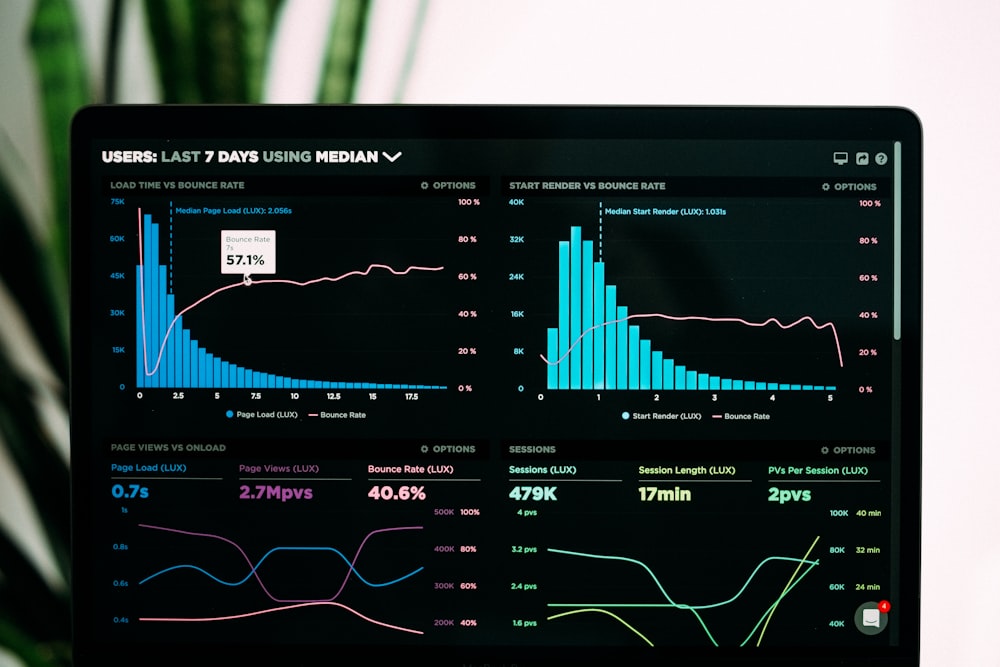
Moving forward, journals will need to implement rigorous computational verification systems. We are already seeing the emergence of 'AI watermarking' and cryptographic proof-of-work for dataset generation to authenticate the human element in experimental research.
Future Outlook & Frameworks
The ultimate goal is not to ban AI from academia, but to integrate it ethically. Clear guidelines for disclosing AI assistance, standardized verification for synthetic data, and a renewed focus on the human peer-reviewer's unique ability to judge novel scientific merit will define the next decade of academic publishing.